The Copilot Trap: Why Agent-Assist AI Is Only Half a Solution for Enterprise Contact Centers
Operations executives across telecommunications, internet service provision, and enterprise utilities face a persistent operational paradox.
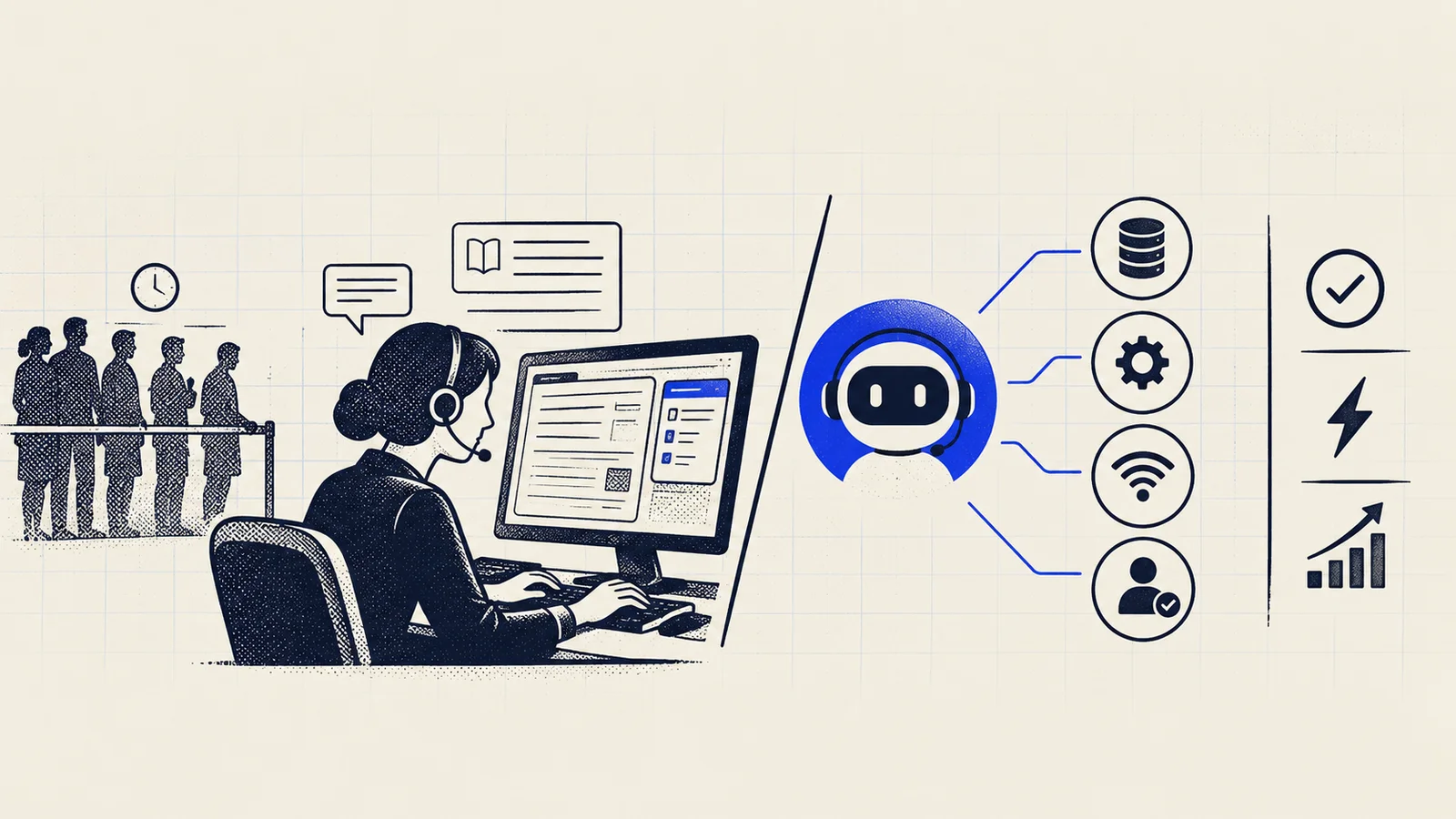
Contact center technology investments rely heavily on AI agent-assist platforms. These real-time copilots listen to live calls, parse customer intent, and surface relevant knowledge base articles directly onto human specialist screens during active conversations.
On internal operational dashboards, the initial returns look positive. Average handle times drop by 10 to 15 percent, after-call work is summarized automatically, and compliance adherence rates improve across large agent pools. Yet, overall operational budgets remain under immense pressure.
Despite deploying real-time agent assist tools, contact center capacity remains tethered directly to human headcount. As subscriber bases grow and line issues spike during regional outages, organizations are still forced to scale front-line staff linearly. The copilot model improves the efficiency of a human agent, but it leaves the core cost structure of the contact center untouched.
The fundamental failure occurs because agent-assist tools optimize the performance of human labor rather than automating the execution of routine workflows.
The Operational Spectrum: Human Copilots vs. Autonomous Action Engines
When an enterprise operations strategy relies entirely on assisting human reps rather than enabling end-to-end task execution, it leaves high-volume, repetitive workload in human queues.
| Operational Dimension | Real-Time Agent Copilots | Autonomous Execution Engines |
| Primary Goal | Assisting human reps during live calls | Resolving Level 1 customer requests end-to-end |
| Headcount Impact | Requires 1:1 human agent presence for every call | Handles high-volume concurrency without linear hiring |
| Execution Path | Displays suggestions for a human to read and click | Authenticates identity and triggers direct API actions |
| Cost Trajectory | High fixed labor cost per contact handled | Scalable unit economics with sub-second processing |
| Customer Experience | Reduces wait time slightly; customer still speaks to human | Eliminates queue wait times entirely via instant resolution |

The Three Limitations of the Copilot Approach
While agent copilots offer value for complex, high-empathy scenarios, relying on them as the primary automation strategy introduces three long-term operational bottlenecks:
1. The Cognitive Load Bottleneck
Surfacing real-time prompts, knowledge cards, and suggested scripts onto an agent's screen during a live call can create cognitive overload. Front-line specialists end up managing multiple software windows while attempting to maintain a natural conversation with the customer, leading to input errors and agent fatigue.
2. The Persistent Queue Penalty
An AI copilot can shave 45 seconds off an eight-minute call, but it cannot prevent the call from entering the queue in the first place. For high-volume, routine inquiries like password resets, line status checks, and bill explanations, forcing a customer to wait in a hold queue to speak with a copilot-assisted agent creates unnecessary friction.
3. The Linear Cost Constraint
Because agent assist software relies on a human operator to validate every action and read every response, cost-per-contact remains high. As contact volumes scale during seasonal peaks or network disruptions, the organization must continue paying for additional human agent shifts, preventing true margin expansion.
The Four-Step Framework for Autonomous Execution
To move beyond the limitations of the copilot model, operational leadership must bifurcate support volume: reserving human agents for complex, high-empathy situations while handing routine Level 1 tasks to autonomous execution engines.
1. Identify High-Volume, Low-Complexity Intent Clusters
Audit incoming contact reasons to isolate routine execution workflows. Inquiries involving line diagnostics, account balance verification, plan changes, or payment deferrals carry clear business logic and should be targeted for complete automation.
2. Grant AI Systems Direct API Write-Access
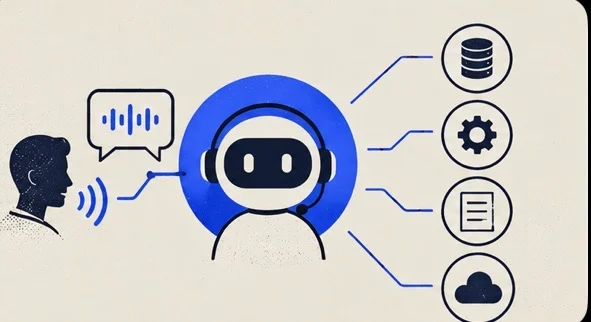
Autonomous resolution requires system authority. Connect conversational voice and chat agents directly into backend CRM, billing, and network management engines, allowing the system to execute line resets and update account records without human intervention.
3. Enforce Identity Authentication at Entry
Integrate automated verification protocols directly into the first turn of the interaction. Authenticating user credentials at the point of entry ensures that every automated action is attached securely to a verified account record.
4. Build Seamless, Context-Aware Escalation Paths
When an interaction encounters an edge case that falls outside autonomous handling rules, hand off the request immediately. Pass the full transcript, verified account status, and system diagnostic telemetry directly to a human specialist's workspace so the conversation continues without repetition.
Unlocking Scalable Customer Operations
Improving front-line agent efficiency is a valuable short-term tactic, but it is not a long-term strategy for operational scale. True enterprise efficiency requires moving past passive assistance tools and deploying autonomous engines capable of resolving routine workflows on first touch.
At GoZupees, we build purpose-built AI agents for Voice, Chat, and Email engineered for high-volume telcos, ISPs, and enterprise contact centers. Our communication platform integrates directly into core CRM, billing, and diagnostic infrastructure, eliminating hold times, resolving Level 1 workflows autonomously, and maintaining complete context across every customer touchpoint.
Ready to move beyond agent copilots and deploy high-authority autonomous workflows across your contact center?
Visit www.gozupees.com to schedule a live operational demo with our team.